Spec → PR
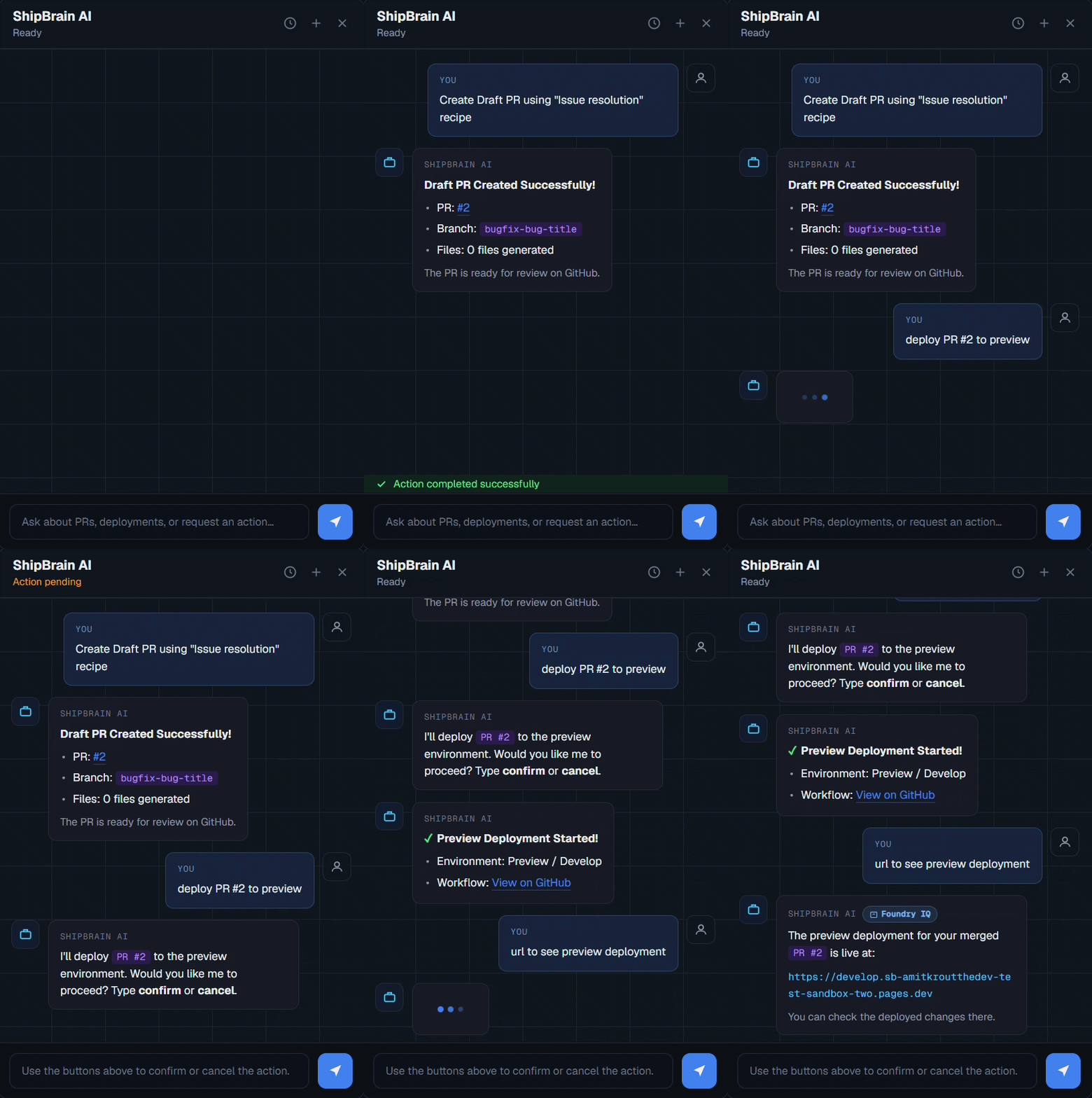
Paste a task or a plain-language spec. ShipBrain breaks it into actionable tasks, scaffolds the files, and prepares a draft PR. You review the plan, hit confirm, and the PR opens on GitHub.
gated before opening · default to draft
ShipBrain turns an engineering task into a reviewed pull request, explains failing CI clearly, and drafts the post-mortem before the incident is closed — but never acts without you pressing confirm.
Most of an engineer's day isn't writing code. It's reading tickets, breaking them into tasks, opening PRs, babysitting CI, decoding stack traces at 2am, and writing post-mortems that nobody reads.
The AI tools that exist either do too little (autocomplete) or too much (autonomous agents that ship broken code while you sleep). Neither is the right shape for production software.
ShipBrain is a console that sits next to GitHub. It does four things — and pauses for your approval before each one matters.
Paste a task or a plain-language spec. ShipBrain breaks it into actionable tasks, scaffolds the files, and prepares a draft PR. You review the plan, hit confirm, and the PR opens on GitHub.
After the Draft PR is reviewed and merged, ShipBrain watches the workflow status and surfaces the next safe preview action. A green build unlocks preview deployment, but the click still belongs to you.
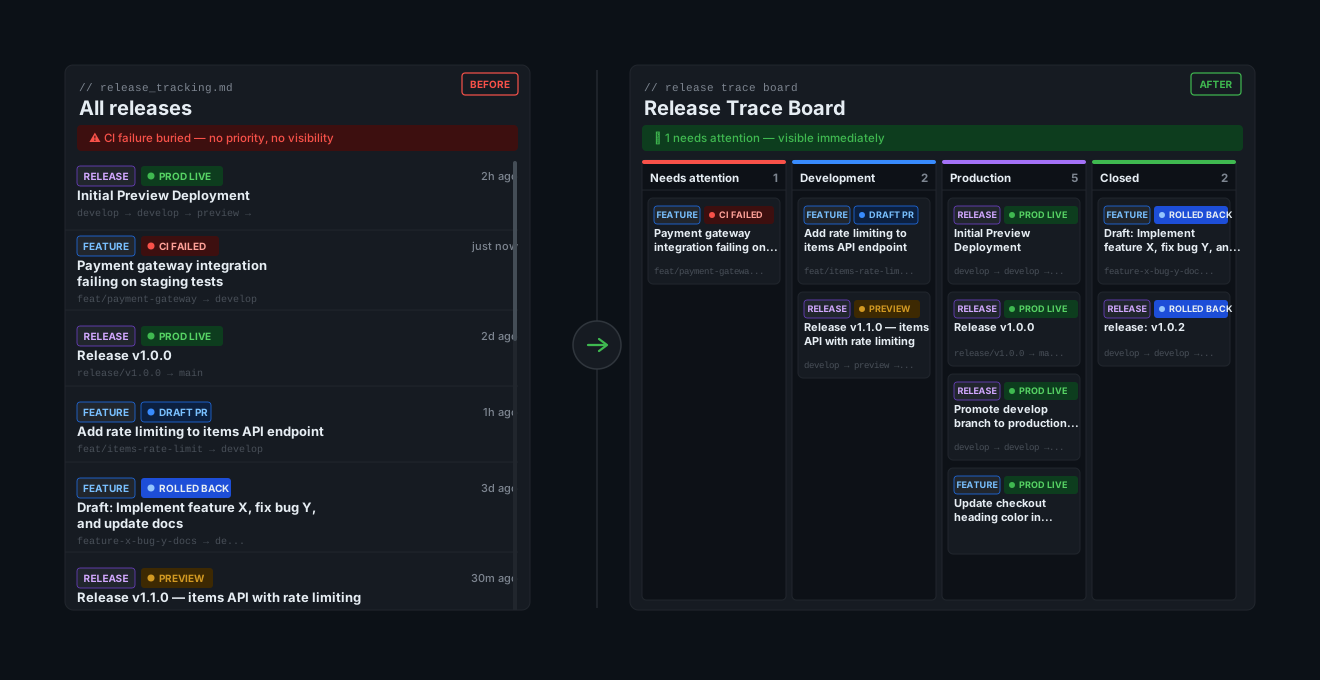
Track every feature from draft to production on a visual board. See what's in preview, what's pending release, and roll back with one click if something breaks. Full audit trail included.
A webhook fires or you paste an alert. ShipBrain proposes a root cause with a confidence score. When resolved, the post-mortem is already drafted — timeline, impact, action items. You edit and file.
We think autonomous agents are the wrong abstraction for shipping code. The valuable thing isn't an AI that acts on your behalf — it's an AI that does the boring 80% and hands you a clean decision.
So ShipBrain has one component used in three places: the approval gate. Same shape every time. Same muscle memory. The button you press to ship a PR feels identical to the one you press to apply an incident fix.
Before ShipBrain, releases lived in flat lists — CI status, preview deploys, and production approvals scattered across tools. ShipBrain replaces the list with a trace board: every release moves through columns, every blocked release surfaces immediately, and every phase transition requires a human confirm.
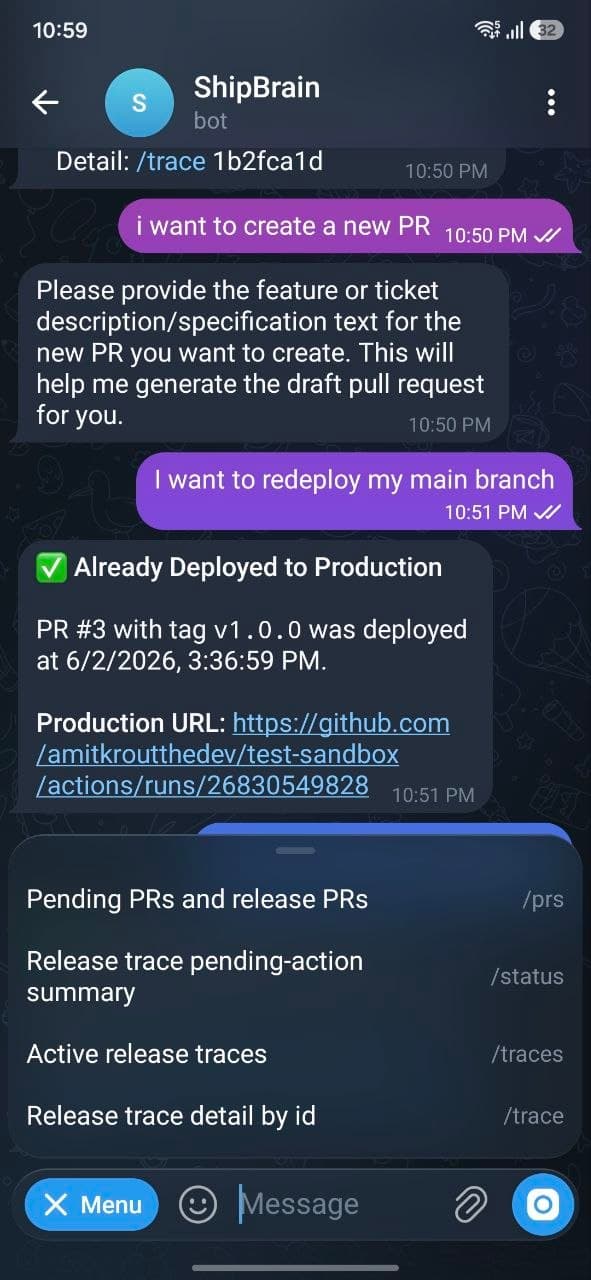
Not every deploy waits for you to be at your desk. The ShipBrain bot brings the same approval gates to Telegram — check what's pending, trigger a deploy, or confirm a production release with an inline button, all from your phone. Every action runs through the same gate and lands in the same audit log as the web console.
Watch ShipBrain take a real engineering task, open a Draft PR, track CI status, deploy preview after approval, promote a release, trigger a simulated incident, identify the root cause, and draft the post-mortem.
Every gate is real. Every confirm is a real click. Nothing is mocked.